.png)
Beef Suet: The Secret Ingredient Every Cook Should Know
- 16 hours ago
- 11 min read
Most home cooks walk right past it at the butcher counter. They've heard the name, maybe spotted it buried in an old British recipe, and thought — that's not for me. But here's the truth: beef suet might be the single most underrated cooking fat sitting outside your kitchen right now.
Whether you're chasing that impossibly flaky pie crust, a stew that tastes as if it simmered for days, or roast potatoes with a shatteringly crispy exterior — suet delivers—every single time.
What Exactly Is Beef Suet? (And Why Most Cooks Overlook It)
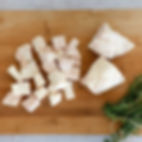
So, what is beef suet? Simply put, it's the raw hard fat found around the kidneys and loins of cattle. Firm, dense, and bright white at room temperature — it looks and behaves completely differently from the softer fat you'd trim off a ribeye.
This hard white beef fat has a crumbly, almost waxy texture that sets it apart from every other cooking fat available today. Don't confuse it with "beef sweat" — a common misspelling — or scratch your head wondering what "sewit" means when you stumble across it online. Same ingredient, different spelling. Pure, traditional cattle fat with a rich culinary history stretching back centuries.
Where Does Beef Suet Come From?
The fat around the kidneys and loins of cattle — specifically the dense kidney fat encasing the organs — is what skilled butchers harvest as suet. This raw beef fat is more saturated and heat-stable than fat from other parts of the animal. That's precisely what makes it so valuable in the kitchen.
Beef Suet vs. Tallow — What's the Difference?
Here's where many cooks get genuinely confused. Raw beef suet is the unprocessed fat straight from the animal. Beef tallow is what you get after rendering that suet — slowly melting it down to remove impurities, leaving behind pure, stable cooking fat. Think of suet as the raw ingredient and tallow as the refined, shelf-stable finished product.
Feature | Beef Suet | Beef Tallow |
State | Raw, solid fat | Rendered, purified fat |
Texture | Crumbly, waxy | Smooth, firm when cool |
Best Use | Baking, pastries, sausages | Frying, roasting, sautéing |
Shelf Life | Shorter — refrigerate | Longer — room temperature |
Smoke Point | ~400°F | ~420°F+ |
What Does Quality Beef Suet Look Like?
Fresh, high-quality meat suet is firm, bright white, and virtually odorless. A yellowish tint or a strong smell signals that fat is past its prime. Always source from a reputable local butcher or trusted online halal meat provider — quality at the source determines quality in the pan.
What Is Beef Suet Made Of? The Science Behind the Fat
Beef suet fat is predominantly composed of saturated and monounsaturated fats, with a notably high concentration of stearic acid. This particular saturated fat behaves differently from others in the body — and understanding that distinction matters when evaluating suet's place in modern cooking.
Why Suet Behaves Differently from Butter, Lard, and Shortening
Butter burns around 300°F. Lard holds up better but lacks suet's structural integrity in pastry. Shortening is hydrogenated—an industrial process that can introduce unwanted trans fats. Beef suet fat? Completely natural, minimally processed, it performs beautifully in both high-heat cooking and delicate baking applications.
That signature crumbly pastry texture, unique to suet crust, happens because suet coats flour particles differently than butter does. It creates distinct, separate layers rather than a homogeneous dough — producing results that are lighter, flakier, and more flavorful every single time.
Why the High Smoke Point Matters
A high smoke point isn't just a technical footnote — it's the difference between golden, crispy perfection and an acrid, smoke-filled kitchen. Beef suet's smoke point of approximately 400°F makes it one of the most reliable high-smoke-point cooking fats for demanding applications like deep frying and high-heat oven roasting. It's genuinely one of the best stable cooking fats available to home cooks today.

Nutritional Benefits of Beef Suet — Is It Actually Good for You?
Here's where the conversation gets genuinely interesting. Beef suet has been unfairly demonized for decades. The nutritional benefits of beef suet are real, well-documented, and worth understanding properly.
Fat-Soluble Vitamins A, D, E, and K
Suet is a natural source of vitamins A, D, E, and K — nutrients your body can only absorb in the presence of dietary fat. These fat-soluble vitamins directly support immune function, bone health, blood clotting, and cellular repair. That nutritional profile simply doesn't exist in processed vegetable shortening.
Conjugated Linoleic Acid (CLA) in Grass-Fed Beef Suet
Grass-fed beef suet is particularly rich in conjugated linoleic acid (CLA) — a naturally occurring fatty acid consistently linked to weight management, improved metabolic function, and anti-carcinogenic properties. Research confirms that grass-fed suet contains significantly higher concentrations of CLA than grain-fed alternatives. It's one compelling reason to prioritize pasture-raised sources whenever possible.
Saturated Fat in Beef Suet — Separating Myth from Fact
Yes, suet contains saturated fats. But emerging nutritional research increasingly challenges the blanket assumption that all saturated fat is harmful. The dominant fat in beef suet — stearic acid — is widely considered neutral with respect to cardiovascular risk. During digestion, it is converted to oleic acid, the same heart-healthy fat found abundantly in olive oil.
Beef Suet Nutrition at a Glance
Nutrient | Benefit |
Vitamins A, D, E, K | Immune support, bone health, blood clotting |
CLA | Weight management, anti-carcinogenic properties |
Stearic Acid | Cardiovascular-neutral saturated fat |
Calorie Density | Sustained energy source |
Natural Animal Fat | Zero industrial processing |
How to Incorporate Suet Into a Balanced Diet
Moderation is everything. Use beef suet as a purposeful cooking fat rather than an everyday default. Pair it with a diet rich in vegetables, whole grains, and lean proteins — and you'll harness its benefits without overloading on calories. It's a genuinely nutrient- and calorie-dense food that earns its place in a thoughtful, balanced diet, with animal fats consumed mindfully.

What Is Beef Suet Used For? Every Culinary Application Explained
This is where suet truly earns its reputation. The range of buses for eef suet is far broader than most cooks ever realize.
Beef Suet for Baking — Pastries, Biscuits, Scones, and Pie Crusts
Suet for baking isn't just a nostalgic British tradition — it's a legitimate, results-driven technique. When used in baking applications, this remarkable fat creates a uniquely crumbly texture that butter simply cannot replicate.
Why Suet Creates a Flakier, Crumblier Texture Than Butter
Suet melts at a higher temperature than butter, so it stays solid longer during baking. This creates steam pockets that produce a light, airy crumb with genuine structural integrity. Biscuits shatter. Scones crumble perfectly. Beef suet in pie crust delivers depth of flavor and texture that shortening dreams about. It's the original flaky pastry fat — and nothing has genuinely replaced it.
Beef Suet in Traditional British Cuisine
Traditional British cuisine built its entire identity on suet. Without suet in cooking, classic British food simply wouldn't exist as we know it today.
Suet Crust Pastry, Mincemeat Pies, and British Puddings
Suet crust pastry forms the foundation of iconic dishes — steak and kidney pudding, Spotted Dick, jam roly-poly. What is suet in mincemeat, exactly? It's the binding fat that enriches the fruit mixture, adds richness, and has historically preserved the filling through the winter months — a tradition stretching back to Medieval England, when this old-fashioned cooking fat served as a natural preservative.
Mincemeat pies during the holiday season simply aren't authentic without it. The rich flavor and dense, deeply satisfying texture that suet brings to British puddings is genuinely irreplaceable.
Beef Suet in Savory Dishes
Stews, Braises, and Dumplings
Drop suet dumplings into a beef stew and watch the entire dish transform. They absorb the braising liquid, swell into tender, pillowy clouds, and deliver a velvety stew texture that naturally thickens the broth. Suet in stews and braises adds a rich beefy depth of flavor that no modern substitute can authentically match.
Beef Suet in Sausage Making
Traditional English sausages rely on beef fat — specifically suet — for moisture, structure, and flavor. The kidney fat provides exactly the right fat-to-meat ratio, keeping sausages juicy during cooking without losing structural integrity. Master butchers have relied on this technique for generations and still do.
Beef Suet for Frying and Roasting
Crispy Roast Potatoes with Suet
Parboil your potatoes, toss them generously in melted beef suet, then roast at 425°F. The result is crispy roast potatoes with a shatteringly golden exterior and a perfectly fluffy interior — dramatically superior to anything achieved with vegetable oil. This technique is the open secret behind every great British Sunday roast.
Fried Fish and Chips Cooked in Tallow
Traditional British fish and chips were originally fried in beef tallow — not vegetable oil. The high smoke point prevents fat breakdown under intense heat, while this stable fat for frying creates crispy, golden-fried foods without the greasy aftertaste. Chips fried in tallow carry a cleaner, beefier flavor that modern refined oils simply cannot replicate.
"Cooking with beef suet is one of those culinary revelations you genuinely can't undo. Once you've had roast potatoes rendered in suet, vegetable oil feels like a significant downgrade."

How to Render Beef Suet at Home — Step-by-Step Guide
Making homemade beef tallow is straightforward, rewarding, and far more economical than buying tallow ready-made. Here's everything you need to know about how to render beef fat properly.
What You'll Need
Ingredients
Fresh beef suet — 1 to 2 lbs is ideal for beginners
Optional: ¼ cup water to prevent early scorching
Equipment
Large pot or slow cooker
Fine mesh strainer or cheesecloth
Glass jars for storage
Chopping Beef Suet — Why Size Matters
Start by chopping the suet into small, uniform pieces — roughly ½ inch cubes. Smaller pieces render faster and more evenly, producing cleaner tallow. A food processor handles larger batches brilliantly.
Low Heat Rendering — Stovetop vs. Slow Cooker Method
Place the chopped beef suet in your large pot or slow cooker over low, steady heat. Don't rush it. Rendering suet on low heat over 2–4 hours produces significantly cleaner, better-tasting tallow than any high-heat shortcut. Stir occasionally. You'll notice the fat melting gradually while solid pieces — the beef cracklings — begin to separate and brown at the bottom.
The slow cooker method is particularly forgiving for beginners — set it on low, walk away, and return to perfectly rendered liquid tallow with minimal risk of scorching.
Straining Beef Tallow and Removing Impurities
Once fully rendered, carefully pour the liquid tallow through a fine mesh strainer or cheesecloth into a clean container. This critical step removes fat impurities and remaining solids, leaving behind pure beef tallow with a clean, neutral, subtly beefy flavor.
What Are Beef Cracklings — And What to Do With Them
Those browned solids left behind after straining? That's beef cracklings — crispy, salty, deeply savory bits that are genuinely delicious. Season them immediately and eat as a snack, crumble over salads, or fold into cornbread batter. Nothing from this process goes to waste.
Storing Beef Tallow Properly
Storage Method | Container | Shelf Life |
Room Temperature | Glass jar, cool dark place | 1–3 months |
Refrigerated | Sealed glass jar | 6–12 months |
Frozen | Freezer-safe container | Up to 2 years |
Tallow storage is remarkably simple. A sealed glass jar kept in a cool, dark place works perfectly for everyday use. Refrigerated beef tallow stays fresh for nearly a year — making bulk rendering a genuinely smart kitchen investment.
Need Premium halal beef cuts to cook at home? Shop Zabiha delivers 100% certified Zabiha halal, hand-slaughtered beef directly across Chicagoland and surrounding suburbs — fresh, ethically sourced, and processed under rigorous hygiene standards. Order your halal beef cuts today and experience the difference quality sourcing makes.
Beef Suet Alternatives — What to Use When You Can't Find It
Sometimes suet isn't available locally. Here's what genuinely works as a suet substitute for butter and shortening across different cooking applications.
Alternative | Best For | Key Limitation |
Lard | Pastry, frying, sausages | Softer texture than suet |
Butter | Baking, sauces | Lower smoke point, stronger flavor |
Vegetable Suet | Pastry (vegetarian) | Less flavor, more processed |
Coconut Oil | Baking, sautéing | Distinct tropical flavor |
Ghee | High-heat cooking | More expensive, different flavor |
Goat Fat Tallow | Stews, roasting | Stronger flavor profile |
Lamb Fat Tallow | Savory dishes, roasting | Distinct gamey notes |
Lard is genuinely the closest substitute for most savory beef suet applications. For baking specifically, cold grated butter achieves a similar — though not identical — crumbly pastry texture. Goat fat tallow and lamb fat tallow work beautifully in roasted and braised dishes when beef suet isn't available, delivering comparable richness with their own distinctive character.

Where to Buy Beef Suet — Sourcing Quality Fat
What to Look for at a Local Butcher or Specialty Meat Shop
Ask specifically for kidney fat or suet — not general beef fat trimmings. Premium suet is firm, bright white, and nearly odorless. Always verify the source: grass-fed grass-finished suet produces noticeably cleaner flavor and superior nutritional density compared to conventionally raised alternatives.
Grass-Fed vs. Grain-Fed Suet — Does It Matter?
Absolutely. Pasture-raised beef fat contains higher concentrations of CLA, a significantly better omega-3-to-omega-6 ratio, and a cleaner, more neutral flavor profile. Grass-fed, grass-finished suet is worth the Premium — especially if you plan to render it into tallow for regular cooking.
Halal Beef Suet — Why Sourcing Matters for Muslim Households
For Muslim households, sourcing Zabiha halal beef fat isn't a preference — it's a dietary requirement. The animal must be hand-slaughtered according to strict Islamic principles, with proper certification verifying every step of the process. Not all online beef suet suppliers meet this standard. Verifying halal certification before purchasing protects both dietary integrity and peace of mind.
Why Shop Zabiha Is Chicago's Trusted Source for Halal Beef
100% Zabiha Halal, Hand-Slaughtered, and Ethically Sourced
Shop Zabiha is Chicago's premier online halal meat provider — serving households across Chicagoland and surrounding suburbs with complete, certified confidence. Every cut is 100% certified Zabiha halal, hand-slaughtered, ethically sourced, and processed under rigorous hygiene standards.
Fresh and Frozen Halal Beef Cuts Delivered Across Chicagoland
Whether you need ground beef for weekend cooking, bulk quantities for large gatherings, or Premium beef cuts for everyday meals — Shop Zabiha offers fresh options with reliable halal meat delivery straight to your doorstep. No store trip required. No compromise on quality or certification.
Our halal beef collection spans everything from everyday cuts to specialty items — including filet mignon, beef stew, beef strips, ground beef, and kabob cubes — all backed by a growing reputation for transparency, consistency, and genuine trustworthiness within Chicago's Muslim community and beyond.
Practical Beef Suet Recipe Ideas to Get You Started
Not sure what to do with beef suet once you have it? Here are four genuinely rewarding starting points:
Classic Suet Dumplings — Mix suet with self-rising flour, season generously, and drop into simmering stew for the last 20 minutes. Simple, comforting, unforgettable.
Suet Crust Pastry for Savory Pies — Combine suet with flour and cold water for a rustic, deeply flavorful crust that holds hearty fillings beautifully.
Homemade Beef Tallow — Render a batch using the method above. Store in glass jars. Use for everything from frying eggs to roasting vegetables.
Crispy Roast Potatoes — The technique that converts every skeptic. Parboil, rough up the edges, toss in hot rendered suet, roast at high heat. Game over.
Frequently Asked Questions About Beef Suet
What is suet in mincemeat? Suet is the binding fat in traditional mincemeat filling. It adds richness, historically preserves the mixture through winter, and gives mincemeat pies their characteristic dense, deeply satisfying texture.
Is beef suet the same as tallow? No — though they're closely related. Suet is raw kidney fat straight from the animal. Tallow is the rendered, purified version of that fat. Both come from cattle but serve slightly different culinary purposes.
What is "sewit" — is it the same as suet? Yes. "Sewit" is simply a phonetic misspelling of suet that appears frequently in online searches—same traditional ingredient, different spelling entirely.
Is beef suet healthy? In moderation, absolutely. It contains fat-soluble vitamins, CLA from grass-fed sources, and stearic acid — a cardiovascular-neutral saturated fat. Like any calorie-dense food, it fits best within a varied, balanced diet consumed with intention.
Where can I buy halal beef cuts online? Chicago-area customers can order directly from Shop Zabiha — a certified Zabiha halal source delivering Premium beef cuts across Chicagoland with reliable delivery options. Every product is hand-slaughtered, ethically sourced, and fully certified.
Can I substitute beef suet in baking? Yes — lard or cold grated butter works reasonably well in a pinch. Neither fully replicates suet's unique crumbly texture and neutral flavor in pastry and puddings, but both produce acceptable results when suet isn't available.
What's the difference between beef suet and regular beef fat?
Regular beef fat comes from various parts of the animal and has inconsistent texture and melting properties. Beef suet specifically refers to the hard fat around the kidneys — denser, more saturated, and significantly more heat-stable than general beef fat trimmings.

Beef Suet Deserves a Permanent Spot in Your Kitchen
Old-fashioned cooking fat? Absolutely. But old-fashioned doesn't mean outdated — it means time-tested, battle-proven, and consistently superior for specific applications that modern substitutes simply haven't cracked.
Beef suet has survived centuries of culinary evolution because it genuinely works. Better than butter in pastry. Better than vegetable oil for high-heat roasting. Better than shortening in dumplings. It's a nutrient-dense, versatile, natural animal fat that rewards cooks who take the time to understand it.
Whether you're rendering homemade beef tallow for everyday frying, folding suet into a savory pie crust, crafting traditional British puddings from scratch, or making beef suet dumplings that steal the show — this remarkable traditional fat delivers results that no modern alternative can fully replicate.
And if you're in the Chicago area searching for certified halal beef cuts you can genuinely trust? Shop Zabiha delivers Premium, hand-slaughtered, ethically sourced Zabiha halal beef directly to your doorstep — because exceptional cooking always starts with exceptional ingredients. Explore the full halal beef collection today.